
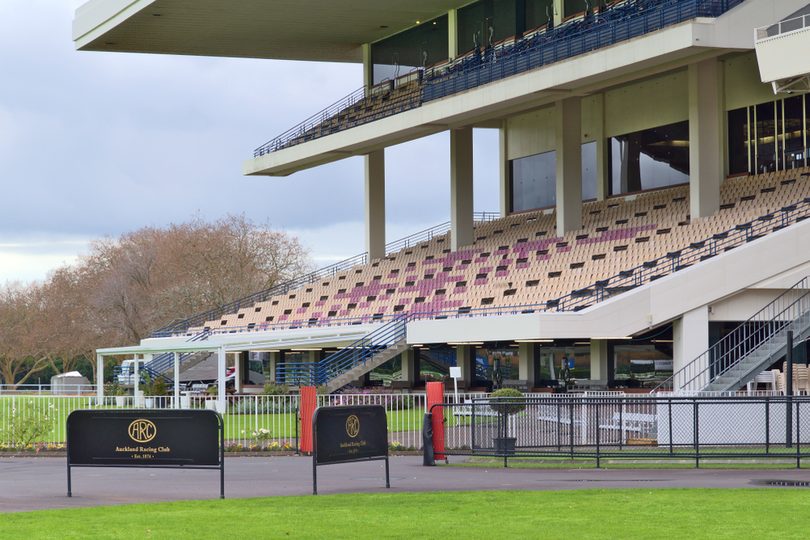
New Zealand has long punched above its weight in thoroughbred racing. From Waikato’s breeding farms to the major meetings at Ellerslie, the country continues to produce horses capable of competing at the highest level at home and abroad.
The latest crop gives racing fans plenty to follow. Established Karaka graduates are collecting major prizes, younger horses are progressing through the ranks, and NZ-bred runners continue to attract attention overseas. For anyone tracking the next generation, these are some of the names and pathways worth watching.
Karaka Remains at the Heart of the Scene
The New Zealand Bloodstock National Yearling Sale at Karaka remains one of the Southern Hemisphere’s major thoroughbred sales. Buyers arrive looking for horses that could eventually progress from the sales ring to leading races in New Zealand, Australia and further afield.
One recent example is La Dorada. The Super Seth filly won the $1 million TAB Karaka Millions 2YO in 2025 before adding the Group Two Matamata Breeders’ Stakes and Group One Manawatu Sires’ Produce Stakes.
Karaka also gives racing followers an early chance to identify horses whose pedigrees and sale profiles may make them worth tracking, whether it’s for placing bets or the thrill of the game. Even online casino platforms offer racing-themed games, where knowledge of the industry (and winning horse breeds) can come in handy.
Attention is turning towards the next sales cycle. Karaka 2027 is scheduled for 24 to 28 January, with Book 1 on 24 and 25 January, Book 2 on 26 January and the Karaka Summer Sale on 28 January.
Well Written Leads the 2026 Generation
Any current list of New Zealand horses to follow has to include Well Written. The Stephen Marsh-trained filly produced a six-length victory in the $1.5 million TAB Karaka Millions 3YO at Ellerslie in January 2026. She then carried that form into Champions Day, winning the $4 million NZB Kiwi and completing an unbeaten six-race season.
Her progression is particularly interesting from a bloodstock perspective. Well Written was bought for $80,000 through NZB’s 2024 National Online Yearling Sale, showing that notable performers can emerge from beyond the headline Book 1 purchases at Karaka.
Tuxedo Adds Another Karaka Success Story
Tuxedo is another name that has strengthened his reputation. After finishing second in the 2025 Karaka Millions 3YO, the New Zealand-bred son of Tivaci returned to Ellerslie in January 2026 and won the $1 million Elsdon Park Aotearoa Classic over 1600 metres.
This result makes him more than simply a promising Karaka graduate. His progression demonstrates how horses can develop beyond their three-year-old campaigns and remain relevant at major New Zealand meetings.
The NZB Kiwi is Becoming a Major Form Marker

The NZB Kiwi has quickly become an important race for assessing New Zealand’s leading three-year-olds. Damask Rose won the inaugural running in 2025 after also taking the Karaka Millions 3YO. A year later, Well Written added the 2026 edition to her own Karaka Millions 3YO victory.
The developing pattern gives racing fans another useful form line. Horses capable of performing strongly through the Karaka Millions programme and then carrying that form into the NZB Kiwi can quickly establish themselves among the country’s most interesting young prospects.
The race also strengthens Ellerslie’s role as a showcase for emerging New Zealand talent, particularly for overseas followers looking for horses that may later appear in Australian campaigns.
NZ-Bred Horses Continue to Travel
New Zealand’s influence extends well beyond its domestic meetings. NZ-bred horses and Karaka graduates regularly move into Australian and Asian racing jurisdictions, where their progress can provide another way to assess the strength of local breeding lines.
The transition is not identical for every horse. Different track layouts, surfaces, climates and racing patterns can test whether a runner can reproduce their New Zealand form abroad.
For racing followers, this export pipeline makes a horse’s story worth tracking beyond its final domestic start. A promising runner sold or transferred overseas may still provide useful clues about the stallions, families and sales drafts producing competitive horses back in New Zealand.
Jumps Racing Adds Another Dimension

Flat racing and bloodstock sales dominate much of the international attention, but New Zealand also retains a distinctive jumps tradition.
West Coast has become one of the standout names of the modern era, adding further interest to races that already appeal to dedicated jumping followers. For UK racing fans familiar with National Hunt racing, New Zealand’s jumping programme offers a recognisable point of connection with a racing culture on the other side of the world.
It also broadens the range of horses worth following. Not every notable New Zealand performer is heading towards Ellerslie’s major flat prizes or an Australian campaign.
The Next Names Are Already Emerging
New Zealand’s bloodstock story is not simply about exporting horses across the Tasman. Its sales, major race programmes, and breeding operations continue to produce compelling form lines.
Well Written has set the standard for the 2026 generation, while Tuxedo, La Dorada and other Karaka-linked performers demonstrate the different routes horses can take after emerging from the sales system.
With Karaka 2027 approaching and another generation preparing to enter the pipeline, the next New Zealand horse to attract international attention may already be waiting in a paddock or sales catalogue.